
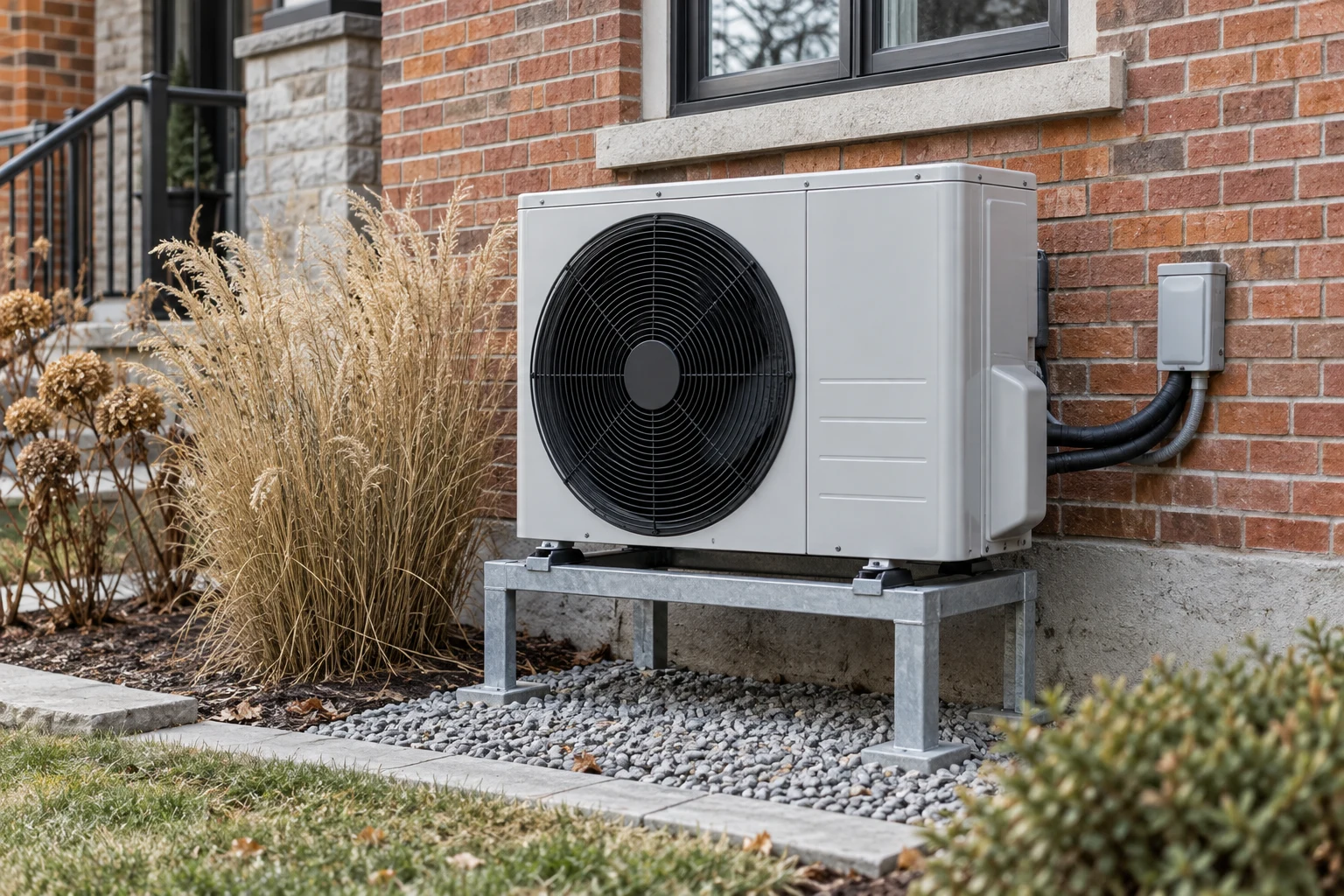
Switching from a furnace to a heat pump can add efficient heating and cooling, but the right design depends on the home’s heat loss, existing fuel and electrical capacity. Compare an all-electric system with a hybrid arrangement that retains a furnace for backup.
Start with why you want to change
An ageing furnace, uneven room temperatures and the need for air conditioning can make a heat pump worth exploring. List which problem matters most. A heat pump will not automatically fix leaky ductwork or insufficient insulation. A whole-home review can reveal whether sealing, insulation or airflow improvements should happen first.
Understand what changes in the system
A heat pump transfers heat instead of generating all its heat through combustion or resistance. It can reverse operation to cool the home. In an all-electric design, the selected system and backup must meet winter demand. In a hybrid design, controls coordinate a heat pump and furnace. The changeover settings affect comfort and running costs, so ask how they are chosen.
Require a heat-loss calculation
Ask the installer how the design accounts for your local winter conditions, room-by-room demand and the proposed equipment’s output at low outdoor temperatures. Floor area alone is not a sizing method. Review duct airflow, electrical capacity, outdoor-unit placement, noise, snow clearance and condensate management. Request a written scope for any panel, wiring or ductwork changes.
Compare operating cost using your bills
Heating fuel, equipment performance and electricity prices all influence the result. Use annual cost and consumption rather than assuming a fixed savings percentage. Compare several realistic scenarios and keep equipment payments separate. Natural-gas homes can have a different financial result from homes using oil, propane or electric resistance. A heat pump can improve comfort even where bill savings are modest, but the budget should show both clearly.
Check programs before installation
Explore Home Renovation Savings for an eligible purchase or lease. Income-based assistance may provide another route for qualifying households and heating systems. Confirm the model, contractor, application sequence and rated capacity used by the program. The largest advertised provincial rebate does not apply to every fuel or equipment arrangement.
Plan commissioning and everyday use
Ask for a handover that explains thermostat settings, backup operation, filters and maintenance. Keep the commissioning record, warranty, service contact and program documents with the home. Our free assessment helps organize these decisions and compare Enbridge Sustain with purchase options before you choose an installation plan.
Common questions
Do I have to remove my furnace to install a heat pump?
Not always. A compatible hybrid system can retain a furnace for backup. The home assessment and equipment design determine the suitable arrangement.
Will switching eliminate my gas bill?
Only if you end gas service and no other gas appliances remain, subject to utility requirements. Retaining gas backup or water heating generally keeps gas service and its fixed charges.
Are savings guaranteed?
No. The home, equipment, operation, weather and energy prices determine actual costs. Use bills and a range of scenarios.
Sources & further reading
Natural Resources Canada heat-pump guidanceHome Renovation Savings heat pumpsFind the right next step for your home.
We help you compare relevant programs, equipment options and the application sequence.
Assess my heat-pump options